


This glossary is intended to support clarity and shared language in clinical, educational, and recovery settings related to betrayal trauma, problematic sexual behavior, intimacy disorders, and relational healing.
APA Dictionary of Psychology used where noted.
Core Identity & Relational Terms
- Unfaithful Partner: A partner who engages in romantic or sexual behavior outside of agreed-upon relational boundaries.
- Betrayer: A partner who violates trust, relational agreements, or emotional/sexual fidelity expectations.
- Unfaithful: Describes behavior that breaches agreed-upon relational boundaries.
- Betrayal Trauma Survivor: A person who experiences trauma symptoms following relational betrayal (e.g., infidelity, deception, secrecy).
- Problem Behavior: any conduct that is maladaptive, destructive, or antisocial. (As defined by APA Dictionary of Psychology.)
- Partner of Someone with PSB (Problematic Sexual Behavior): A person in relationship with someone exhibiting problematic sexual behavior.
- Partner Abuse: see domestic violence; intimate partner violence.
- Partner Trauma: Emotional and physiological trauma responses resulting from relational betrayal or unsafe attachment experiences.
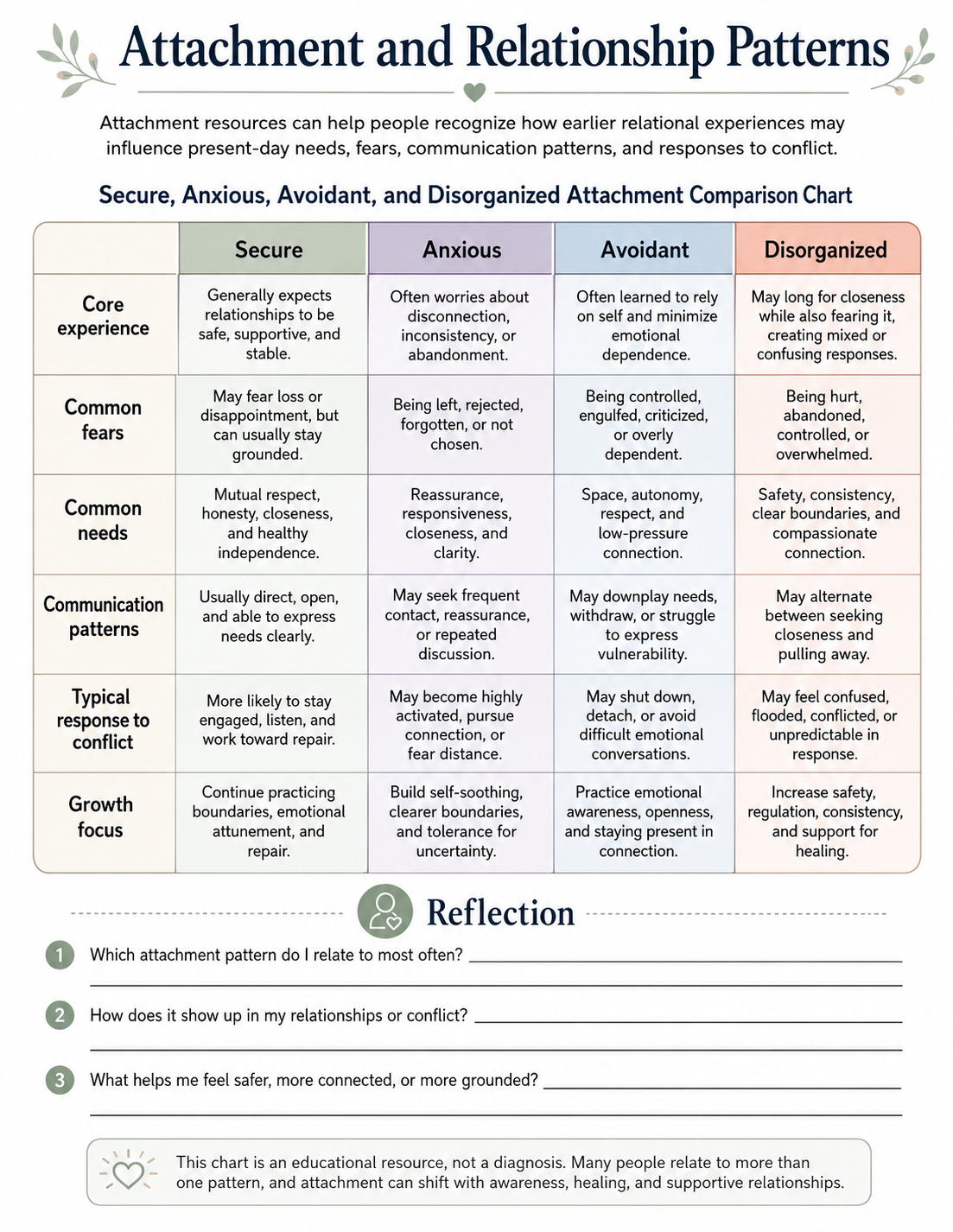
- Avoidant Attachment: in the Strange Situation, a form of insecure attachment in which infants do not seek proximity to their parent after separation. Instead, the infant does not appear distressed by the separation and avoids the returning parent. (As defined by APA Dictionary of Psychology.)
- Insecure Attachment: in the Strange Situation, one of several patterns of a generally negative parent–child relationship in which the child fails to display confidence when the parent is present, sometimes shows distress when the parent leaves, and reacts to the returning parent by avoidance (see avoidant attachment) or with ambivalence (see ambivalent attachment). See also anxious–avoidant attachment; anxious–resistant attachment; disorganized attachment. Compare secure attachment. (As defined by APA Dictionary of Psychology.)
Sexual Behavior, Addiction & Clinical Descriptors
- SA (Sex Addict / Sex & Love Addict): A person who experiences compulsive or out-of-control sexual or relational behaviors.
- Sex/Love Addict (SA): See above.
- Pornography Addiction: Compulsive use of pornography despite negative consequences or loss of control.
- Compulsive Sexual Behavior: Repetitive sexual behavior that feels difficult or impossible to control and continues despite harm.
- Compulsive Disorder: any disorder in which the individual feels forced to perform acts that are against their wishes or better judgment. The act may be associated with an experience of pleasure or gratification (e.g., compulsive gambling, drinking, or drug taking) or with the reduction of anxiety or distress (e.g., rituals in obsessive-compulsive disorder). See intermittent explosive disorder; kleptomania; paraphilia; pathological gambling; pyromania; substance abuse; trichotillomania. See also impulse-control disorder. (As defined by APA Dictionary of Psychology.)
- Intimacy: n. an interpersonal state of extreme emotional closeness such that each party’s personal space can be entered by any of the other parties without causing discomfort to that person. Intimacy characterizes close, familiar, and usually affectionate or loving personal relationships and requires the parties to have a detailed knowledge or deep understanding of each other. —intimate adj. (As defined by APA Dictionary of Psychology.)
- Intimacy Problem: difficulty in forming close relationships and becoming intimate with others, whether physically or psychologically. The problem might involve difficulties with sexual contact, self-disclosure, trust, or commitment to a lasting relationship. See also fear of commitment. (As defined by APA Dictionary of Psychology.)
- Intimacy Disorder: Difficulties forming or maintaining emotionally and sexually healthy intimate relationships.
- Love Addiction: Compulsive relational behavior characterized by obsession, dependency, and fear of abandonment.
- PSB (Problematic Sexual Behavior): Sexual behaviors that are out of control, distressing, or cause negative consequences.
- CSBD (Compulsive Sexual Behavior Disorder): A recognized clinical condition characterized by persistent difficulty controlling intense sexual impulses or urges, resulting in repetitive behavior and impairment in functioning.
Acronyms & Professional Terms
- CSBD – Compulsive Sexual Behavior Disorder
- PSB – Problematic Sexual Behavior
- SA – Sex Addict / Sex & Love Addict
- BP – Betrayed Partner
- FD – Full Disclosure
- PD – Post Disclosure
- ER – Emotional Restitution Letter
- EI – Emotional Impact Letter
- CCPS – Certified Clinical Partner Specialist
- LCSW – Licensed Clinical Social Worker
- CSAT – Certified Sex Addiction Therapist – “CSAT (Certified Sex Addiction Therapist) equips mental health professionals with advanced expertise in treating compulsive sexual behavior.”
- APSATS – (The Association of Partners of Sex Addicts Trauma Specialists) – “The Association of Partners of Sex Addicts Trauma Specialists (APSATS) is a non-profit organization dedicated to advancing professional training, certification, advocacy, public education, research, and standards of care for relational trauma associated with sexual addiction.” (As defined by the APSATS Website)
- IITAP – (International Institute for Trauma and Addiction Professionals) – “IITAP originally started as a training program that was founded by Dr. Patrick Carnes and focused on treating individuals struggling with compulsive and addictive sexual behaviors, known as the “CSAT program”. Since then, IITAP has expanded by offering training programs in a variety of areas including Betrayal Trauma, Couples Therapy, Sex Therapy, Trauma, and LGBTQ+- informed treatment among many others! IITAP continually offers fresh and innovative workshops and webinars for clinicians.” (As defined by the IITAP Website)
Trauma, Nervous System & Clinical Concepts
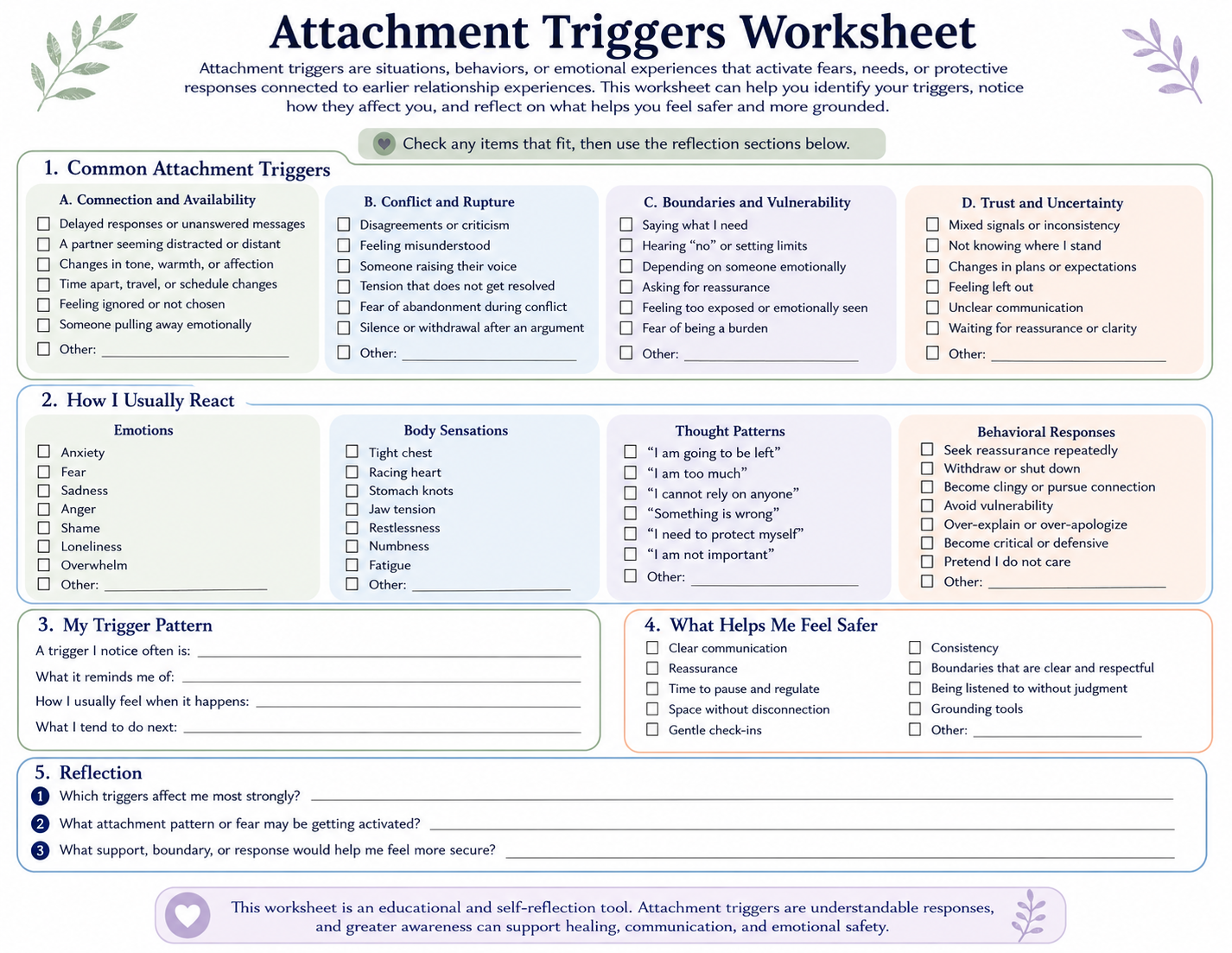
- Activated: Emotional and physiological reactivity triggered by reminders of distressing material or experiences.
- Activation – Arousal Theory: see activation theory of emotion. (As defined by APA Dictionary of Psychology.)
- Anorexia: absence or loss of appetite for food or, less commonly, for other desires (e.g., sex), especially when chronic. It may be primarily a psychological disorder, as in anorexia nervosa, or it may have physiological causes, such as hypopituitarism. —anorectic or anorexic adj., n. (As defined by APA Dictionary of Psychology.)
- Betrayal: n. any act committed by one relationship partner that violates the other’s expectations of that partner (e.g., that they are trustworthy and have regard for the other’s well-being). Although the term betrayal is commonly associated with infidelity, most researchers use it in a broader sense to include such acts as lying, disloyalty, revealing secrets to outsiders, intentionally harmful behavior, lack of support, or broken promises. Betrayals can evoke strong emotions in victims and perpetrators and are usually harmful to relationships, sometimes leading directly to their termination. Alternatively, reparative actions by the perpetrator, such as an apology, can foster forgiveness by the victim, which allows the relationship to continue. (As defined by APA Dictionary of Psychology.)
- Betrayal Trauma Theory: a conceptual model for explaining why some children are unable to access memories of prior sexual or physical abuse. According to the theory, this sort of repression occurs when the perpetrator of the abuse is an adult on whom the child is emotionally dependent, and it develops out of the child’s need to preserve the attachment bond; hence the child is unable to access the stored memories of the abuse while the need for attachment is still strong. [first proposed in 1991 by U.S. cognitive psychologist Jennifer J. Freyd (1957– )] (As defined by APA Dictionary of Psychology.)
- Brainspotting: A trauma therapy that identifies and processes neurophysiological sources of emotional distress.
- Breathwork: Structured breathing practices used to regulate stress, emotions, and nervous system activation. – n. see rebirthing. (As defined by APA Dictionary of Psychology.)
- Burnout: n. physical, emotional, or mental exhaustion accompanied by decreased motivation, lowered performance, and negative attitudes toward oneself and others. It results from performing at a high level until stress and tension, especially from extreme and prolonged physical or mental exertion or an overburdening workload, take their toll. The word was first used in this sense in 1975 by U.S. psychologist Herbert J. Freudenberger (1926–1999) in referring to workers in clinics with heavy caseloads. Burnout is most often observed in professionals who work in service-oriented vocations (e.g., social workers, teachers, correctional officers) and experience chronic high levels of stress. It can be particularly acute in therapists or counselors doing trauma work, who feel overwhelmed by the cumulative secondary trauma of witnessing the effects. Burnout is also experienced by athletes when continually exposed to stress associated with performance without commensurate rewards or rest. See also overtraining syndrome; vital exhaustion. (As defined by APA Dictionary of Psychology.)
- Compulsion: n. a type of behavior (e.g., hand washing, checking) or a mental act (e.g., counting, praying) engaged in to reduce anxiety or distress. Typically, the individual feels driven or compelled to perform the compulsion to reduce the distress associated with an obsession or to prevent a dreaded event or situation. For example, individuals with an obsession about contamination may wash their hands repetitively until their skin is cracked and bleeding. Such compulsions do not provide pleasure or gratification, although the individual may experience some temporary relief from engaging in them, and they are disproportionate or irrelevant to the feared situation that they are used to neutralize. See countercompulsion; obsessive-compulsive disorder. —compulsive adj. (As defined by APA Dictionary of Psychology.)
- Compulsive Disorder: any disorder in which the individual feels forced to perform acts that are against their wishes or better judgment. The act may be associated with an experience of pleasure or gratification (e.g., compulsive gambling, drinking, or drug taking) or with the reduction of anxiety or distress (e.g., rituals in obsessive-compulsive disorder). See intermittent explosive disorder; kleptomania; paraphilia; pathological gambling; pyromania; substance abuse; trichotillomania. See also impulse-control disorder. (As defined by APA Dictionary of Psychology.)
- Dialectical Behavior Therapy (DBT): a flexible, stage-based therapy that combines principles of behavior therapy, cognitive behavior therapy, and mindfulness. It establishes a “dialectic” between helping individuals to accept the reality of their lives and their own behaviors on the one hand and helping them learn to change their lives, including dysfunctional behaviors, on the other. Its underlying emphasis is on helping individuals learn both to regulate and to tolerate their emotions. DBT is designed for especially difficult-to-treat patients, such as those with borderline personality disorder. [developed by U.S. clinical psychologist Marsha Linehan (1943– )] (As defined by APA Dictionary of Psychology.)
- Dissociation: n. a defense mechanism in which conflicting impulses are kept apart or threatening ideas and feelings are separated from the rest of the psyche. See compartmentalization. (As defined by APA Dictionary of Psychology.)
- Eye-Movement Desensitization and Reprocessing (EMDR): a treatment methodology used to reduce the emotional impact of trauma-based symptoms such as anxiety, nightmares, flashbacks, or intrusive thought processes. The therapy incorporates simultaneous visualization of the traumatic event while concentrating on the rapid lateral movements of a therapist’s finger. [developed in the late 1980s by U.S. psychologist Francine Shapiro] (As defined by APA Dictionary of Psychology.)
- Empathy: n. understanding a person from their frame of reference rather than one’s own, or vicariously experiencing that person’s feelings, perceptions, and thoughts. Empathy does not, of itself, entail motivation to be of assistance, although it may turn into sympathy or personal distress, which may result in action. In psychotherapy, therapist empathy for the client can be a path to comprehension of the client’s cognitions, affects, motivations, or behaviors. See also perspective taking. —empathic or —empathetic adj. —empathize vb. (As defined by APA Dictionary of Psychology.)
- Enmeshment: n. a condition in which two or more people, typically family members, are involved in each other’s activities and personal relationships to an excessive degree, thus limiting or precluding healthy interaction and compromising individual autonomy and identity. (As defined by APA Dictionary of Psychology.)
- Gaslight: vb. to manipulate another person into doubting their perceptions, experiences, or understanding of events. The term once referred to manipulation so extreme as to induce mental illness or to justify commitment of the gaslighted person to a psychiatric institution but is now used more generally. It is usually considered a colloquialism, though occasionally it is seen in clinical literature, referring, for example, to the manipulative tactics associated with antisocial personality disorder. —gaslighted adj. [from Gaslight, a 1938 stage play and two later film adaptations (1940, 1944) in which a wife is nearly driven to insanity by the deceptions of her husband] (As defined by APA Dictionary of Psychology.)
- Internal Family Systems (IFS): A therapeutic model viewing the psyche as composed of multiple internal “parts.”
- Cognitive Behavioral Therapy (CBT): a form of psychotherapy that integrates theories of cognition and learning with treatment techniques derived from cognitive therapy and behavior therapy. CBT assumes that cognitive, emotional, and behavioral variables are functionally interrelated. Treatment is aimed at identifying and modifying the client’s maladaptive thought processes and problematic behaviors through cognitive restructuring and behavioral techniques to achieve change. Also called cognitive behavior modification; cognitive behavioral therapy. (As defined by APA Dictionary of Psychology.)
- Intrusive Thoughts: mental events that interrupt the flow of task-related thoughts in spite of efforts to avoid them. Minor intrusions are normal and widespread (see mind wandering). Upsetting intrusions are common after trauma and in obsessive-compulsive disorder. (As defined by APA Dictionary of Psychology.)
- Limerence:n. an intense sexual desire and a strong concern for the other person in a romantic relationship, accompanied by great sensitivity to how that other person is reacting to oneself. Limerence typically diminishes in intensity a month or two after the relationship is formed. See also passionate love; romantic love. [first described in 1979 by U.S. psychologist Dorothy Tennov (1928–2007)] (As defined by APA Dictionary of Psychology.)
- Polygraph: n. a device that measures and records several physiological indicators of stress, such as heart rate, blood pressure, and galvanic skin response. The instrument has been widely used in the interrogation of criminal suspects and in employee screening to measure marked physiological reactions to questions about such issues as theft, sexual deviation, or untruthfulness. It has been colloquially referred to as a lie detector, although no one has ever documented a close relation between physiological patterns and deceptive behavior. The accuracy of polygraph examinations is controversial, and the results are not accepted as evidence in many U.S. courts of law. [invented in 1917 by U.S. experimental psychologist William Marston (1893–1947)] (As defined by APA Dictionary of Psychology.)
- Polyvagal Therapy: A therapeutic approach based on regulation of the autonomic nervous system.
- Post-Traumatic Stress Disorder (PTSD): in DSM–IV–TR, a disorder that may result when an individual lives through or witnesses an event in which they believe that there is a threat to life or physical integrity and safety and experiences fear, terror, or helplessness. The symptoms are characterized by (a) reexperiencing the trauma in painful recollections, flashbacks, or recurrent dreams or nightmares; (b) avoidance of activities or places that recall the traumatic event, as well as diminished responsiveness (emotional anesthesia or numbing), with disinterest in significant activities and with feelings of detachment and estrangement from others; and (c) chronic physiological arousal, leading to such symptoms as an exaggerated startle response, disturbed sleep, difficulty in concentrating or remembering, and guilt about surviving the trauma when others did not (see survivor guilt). Subtypes are chronic posttraumatic stress disorder and delayed posttraumatic stress disorder. When the symptoms do not last longer than 4 weeks, a diagnosis of acute stress disorder is given instead. Changes in PTSD criteria from DSM–IV–TR to DSM–5 and DSM-5-TR include the following: Exposure to the traumatic event may be secondhand if the event happens to a loved one or if there is repeated exposure to aversive details (e.g., as with first responders cleaning up after a disaster); the subjective criterion requiring that the person feel fear, terror, or helplessness has been eliminated; symptom clusters have been recategorized, with additional symptoms; and separate criteria have been developed for children age 6 years or younger.(As defined by APA Dictionary of Psychology.)
- Psychotherapy: n. any psychological service provided by a trained professional that primarily uses forms of communication and interaction to assess, diagnose, and treat dysfunctional emotional reactions, ways of thinking, and behavior patterns. Psychotherapy may be provided to individuals, couples (see couples therapy), families (see family therapy), or members of a group (see group therapy). There are many types of psychotherapy, but generally they fall into four major categories: psychodynamic psychotherapy, cognitive therapy or behavior therapy, humanistic therapy, and integrative psychotherapy. The psychotherapist is an individual who has been professionally trained and licensed (in the United States by a state board) to treat mental, emotional, and behavioral disorders by psychological means. They may be a clinical psychologist, psychiatrist, counselor, social worker, or psychiatric nurse. Also called therapy; talk therapy. —psychotherapeutic adj. (As defined by APA Dictionary of Psychology.)
Additional Clinical & Recovery Terms
- Qualifier: The partner who unconsciously fulfills relational patterns for a sex/love addict.
- Rationalization: n. an ego defense in which apparently logical reasons are given to justify unacceptable behavior that is motivated by unconscious instinctual impulses. In psychoanalytic theory, such behavior is considered to be a defense mechanism. Examples are “Doesn’t everybody cheat?” or “You have to spank children to toughen them up.” Rationalizations are used to defend against feelings of guilt, maintain self-respect, and protect oneself from criticism. In psychotherapy, rationalization is considered counterproductive to deep exploration and confrontation of the client’s thoughts and feelings and their effect on behavior. —rationalize vb. (As defined by APA Dictionary of Psychology.)
- Sexual Addiction:a problematic sexual behavior, such as a paraphilia or hypersexuality, regarded as a form of addiction similar to substance use. The defining features of a sexual addiction include sexual behavior that is out of control, that has severely negative consequences, and that the person is unable to stop despite a wish to do so. Other features include persistence in high-risk, self-destructive behavior; spending large amounts of time in sexual activity or fantasy; neglect of social, occupational, or other activities; and mood changes associated with sexual activity. (As defined by APA Dictionary of Psychology.)
- Sexual Arousal: a state of physiological arousal elicited by sexual contact or by other erotic stimulation (e.g., fantasies, dreams, odors, objects), resulting in impulses being transmitted through the central nervous system to the sacral region of the spinal cord. The impulses also trigger the release of sex hormones, dilation of the arteries supplying the genital areas, and inhibition of vasoconstrictor centers of the lumbar nerves. The effects of sexual arousal are mediated through the hypothalamus. See sexual-response cycle. (As defined by APA Dictionary of Psychology.)
- Sexual Arousal Disorder: a class of sexual disorders characterized by the inability to attain or maintain an adequate physiological response in the excitement (arousal) phase of the sexual-response cycle. See female sexual arousal disorder; male erectile disorder. (As defined by APA Dictionary of Psychology.)
- Sexual Disorder: any impairment of sexual function or behavior. Sexual disorders include sexual dysfunction and paraphilic disorders (see paraphilia). (As defined by APA Dictionary of Psychology.)
- Sexuality: n. the capacity to derive pleasure from various forms of sexual activity and behavior, particularly from sexual intercourse. ; all aspects of sexual behavior, including gender identity, orientation, attitudes, and activity. ; in classical psychoanalytic theory, the “organ pleasure” derived from all erogenous zones and processes of the body, including the mouth, anus, urethra, breasts, skin, muscles, and genital organs, as well as such functions as sucking, biting, eating, defecating, urinating, masturbating, and having intercourse. (As defined by APA Dictionary of Psychology.)
- Somatic Therapy: the treatment of mental disorders by physical methods that directly influence the body, such as the administration of drugs (pharmacotherapy) or the application of a controlled, low-dose electric current (electroconvulsive therapy). Also called somatotherapy. (As defined by APA Dictionary of Psychology.)
- Full Therapeutic Disclosure (FTD): Full Therapeutic Disclosure is a structured process facilitated by a clinician in which the partner who engaged in betrayal provides a complete and prepared account of their behaviors in a single, planned disclosure session. The information is typically organized and reviewed in advance and may include details such as timelines, financial consequences, and patterns of deception. The disclosure is delivered in a controlled therapeutic setting to support clarity, safety, and the rebuilding of trust for the impacted partner.
- Staggered Disclosure: Staggered disclosure, sometimes called “trickle truth,” refers to a pattern in which a partner who has been unfaithful or engaged in betrayal reveals information gradually instead of providing a full account at once. The disclosures often come in pieces over time, may initially omit or downplay key details, and are frequently prompted by the discovery of additional evidence.
- Tapping (EFT): Emotional Freedom Techniques using tapping on acupressure points while processing emotions.
- Trauma Bonding: Emotional attachment formed in abusive or unstable relational dynamics.
Clinical Modalities & Approaches
- Brainspotting: Focused neurobiological trauma processing method.
- DBT: Dialectical Behavior Therapy.
- CBT: Cognitive Behavioral Therapy.
- EMDR: Eye Movement Desensitization and Reprocessing.
- IFS: Internal Family Systems therapy.
- Polyvagal Therapy: Nervous system-informed therapeutic model.
- Somatic Therapy: Body-centered trauma treatment approach.
Resources, Handouts & Educational Tools
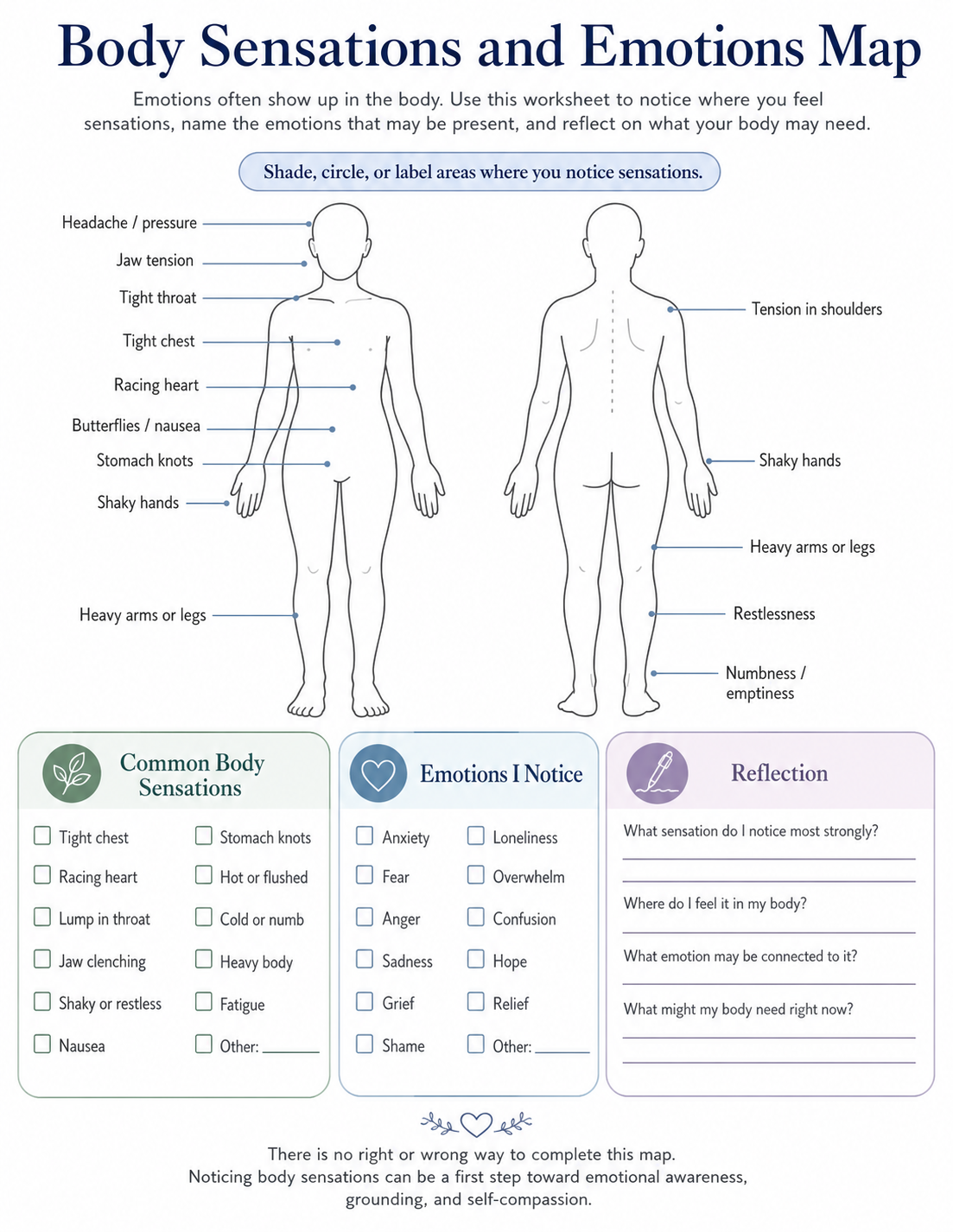
The following resources can help individuals, partners, couples, families, and clinicians better understand betrayal trauma, problematic sexual behavior, compulsive sexual behavior, attachment, emotional regulation, and relationship recovery.
These materials are intended for education and support. They are not a substitute for individualized assessment, diagnosis, psychotherapy, medical care, or crisis services.
Downloadable Handouts & Worksheets
Understanding Betrayal Trauma
Helpful handouts may include:
Common Responses to Betrayal Trauma Worksheet
Betrayal-Trauma Triggers and Activation Signs Worksheet
The Difference Between Triggers, Intrusive Thoughts, and Present-Day Danger Worksheet
What Emotional and Relational Safety Can Look Like During Early Recovery Worksheet
Accountability, Shame, Empathy, and Defensiveness Worksheet
Important Clinical and Safety Notice
Information about betrayal trauma, attachment, compulsive sexual behavior, disclosure, polygraphs, trauma treatment, and relationship recovery should not be used to diagnose oneself or another person.
Joint recovery work or couples therapy may not be appropriate when there is ongoing violence, coercive control, intimidation, stalking, retaliation, or significant emotional or physical danger. Individualized safety planning and consultation with a qualified professional may be necessary before beginning disclosure or couples-based work.
Website visitors experiencing severe distress, thoughts of self-harm, interpersonal violence, or an immediate safety emergency should contact emergency services or an appropriate crisis resource in their location.