

Susan Zola
Licensed Clinical Social Worker
Certified Sexual Addiction Therapist (CSAT) AND Certified Clinical Partner Specialist (CCPS)


Neurodiversity
What is Neurodiversity?
Neurodiversity is a concept that recognizes and respects neurological differences in individuals. It suggests that neurological differences, such as autism, ADHD, dyslexia, Tourette syndrome, and others, are natural variations of the human brain rather than disorders or deficits.
The neurodiversity paradigm asserts that these differences should be recognized and accepted as a normal part of human diversity, similar to variations in personality, culture, or physical traits. Advocates of neurodiversity argue for societal accommodations and support systems that embrace the strengths and unique perspectives of neurodiverse individuals rather than trying to normalize or “cure” them.
In essence, neurodiversity promotes the idea that neurodiverse individuals have valuable contributions to make to society and that their differences should be celebrated rather than stigmatized or pathologized.
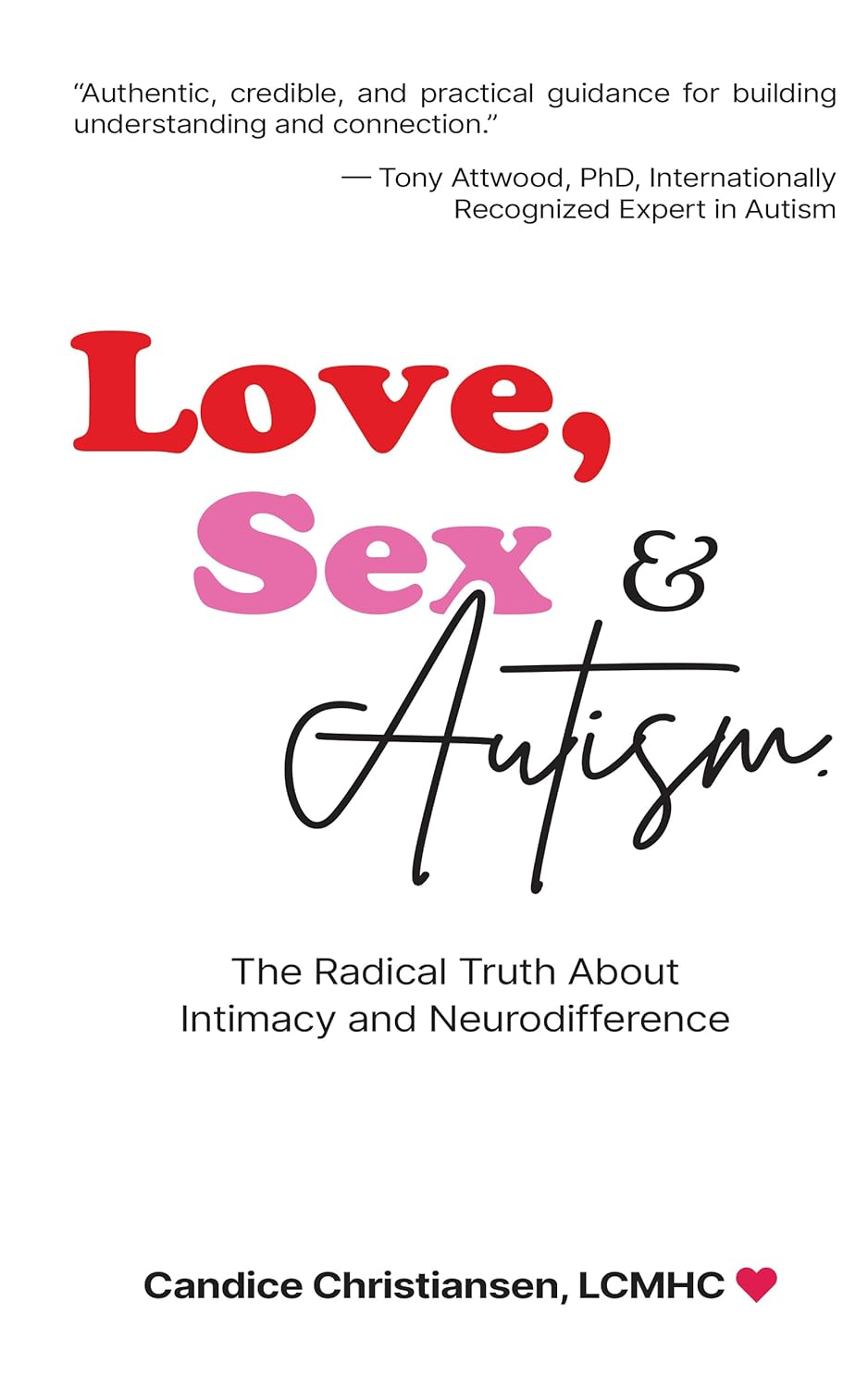
Love, Sex, and Autism: The Radical Truth About Intimacy and Neurodifference by Candice Christiansen
What does it mean to be “neurodiverse”?
Being “neurodiverse” refers to having a neurological difference or variation that diverges from what is considered typical or neurotypical. Neurodiverse individuals may have conditions such as autism spectrum disorder (ASD), attention deficit hyperactivity disorder (ADHD), dyslexia, Tourette syndrome, dyspraxia, and others. These conditions can manifest in various ways and may affect an individual’s cognitive, social, emotional, and behavioral functioning.
Being neurodiverse does not imply that an individual is inherently impaired or deficient. Instead, it acknowledges that their brain functions differently from the majority of the population. Neurodiverse individuals often have unique strengths, talents, and perspectives that can be valuable in different contexts.
The concept of neurodiversity emphasizes acceptance, understanding, and accommodation for the diverse ways in which people’s brains work. It challenges the idea that there is a single “normal” or “ideal” way of thinking and behaving and promotes the idea that differences should be respected and valued in society.
Navigating relationships can be complex, especially for neurodivergent individuals or couples with varying neurological profiles. If you’re facing challenges, I offer support to help you find clarity and enhance the joy and fulfillment in your relationship, intimacy, and sexual experiences. Together, we can work towards making your connections as enjoyable, wonderful, and pleasurable as possible.
How can neurodivergence affect sex addiction?
Neurodivergence can potentially impact sex addiction in several ways:
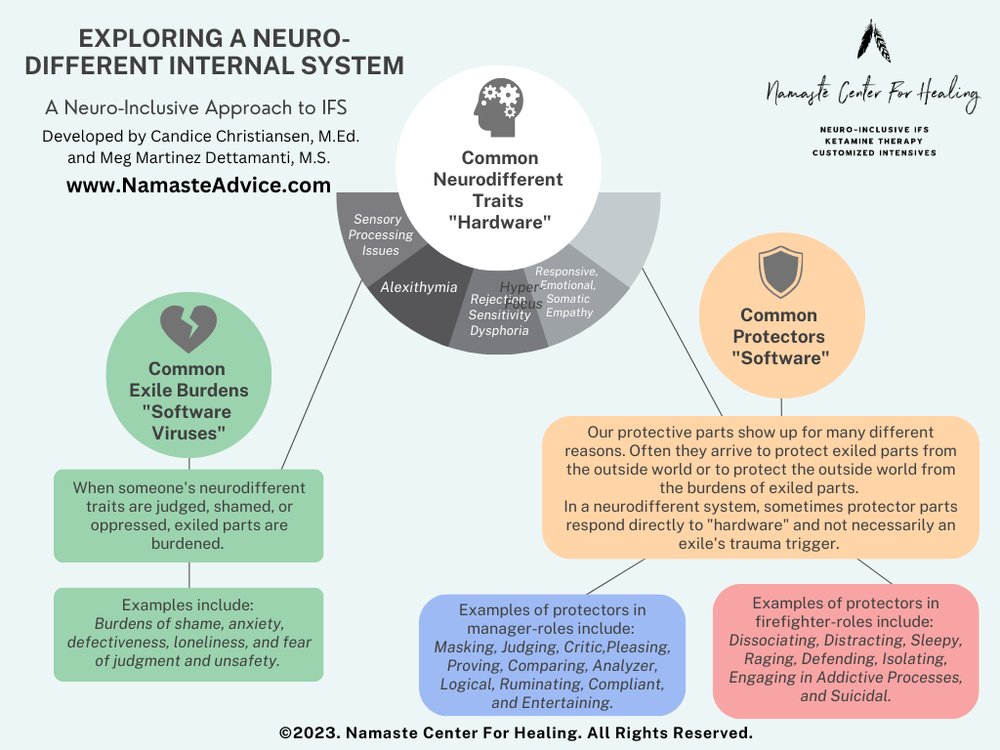
- Sensory Sensitivities: Many neurodivergent individuals have heightened sensory sensitivities, which can affect their experiences with sexual stimuli. This sensitivity may lead to either seeking out or avoiding certain sexual activities as a way to regulate sensory input.
- Impulsivity and Hyperfocus: Conditions such as ADHD can be associated with impulsivity and hyperfocus, which may contribute to engaging in risky sexual behaviors or excessive sexual activity without fully considering the consequences.
- Social Challenges: Neurodivergent individuals may face difficulties in forming and maintaining intimate relationships due to challenges in social communication and understanding social cues. This can lead to feelings of isolation and loneliness, which may contribute to seeking out sexual encounters as a form of validation or connection.
- Difficulty Regulating Emotions: Some neurodivergent individuals struggle with regulating their emotions, which can lead to using sex as a way to cope with stress, anxiety, depression, or other emotional challenges.
- Repetitive Behaviors: Repetitive or ritualistic behaviors are common in neurodivergent individuals, and these behaviors may extend to sexual activities, leading to compulsive or addictive patterns of behavior.
It’s important to note that not all neurodivergent individuals will experience sex addiction, and there is significant individual variation in how neurodivergence may intersect with sexual behavior. However, understanding these potential connections can be helpful in providing tailored support and interventions for individuals struggling with sex addiction within neurodivergent populations.
Neurodivergence and Compulsive Sexual Behavior
Neurodivergence can potentially influence how a person experiences sexuality, intimacy, arousal, impulse control, emotional regulation, relationships, and coping. These differences do not mean that a neurodivergent person is more likely to develop compulsive sexual behavior simply because they are neurodivergent. Rather, certain traits or life experiences associated with ADHD, autism, AuDHD, sensory-processing differences, trauma, and other forms of neurodivergence may interact with sexual behavior in ways that are important to understand.
Sensory Sensitivities and Sensory Seeking
Many neurodivergent individuals experience heightened or reduced sensitivity to touch, sound, smell, movement, pressure, or other sensory input.
Sexual behavior can therefore function differently from person to person. Some individuals may seek intense sexual stimulation because it is regulating, grounding, exciting, or highly rewarding. Others may avoid certain forms of physical intimacy because touch, sound, smell, or bodily sensations become overwhelming.
Understanding a person’s sensory profile can help distinguish sensory regulation from compulsive behavior and can support healthier, more individualized approaches to intimacy.
Impulsivity and Inhibition
ADHD and some other neurodevelopmental conditions can involve difficulties with impulse control, inhibition, planning, and anticipating consequences.
In a sexual context, this may sometimes contribute to:
- Acting quickly on sexual urges
- Difficulty pausing before making decisions
- Risk-taking
- Sexting or messaging impulsively
- Difficulty maintaining boundaries established in advance
- Engaging in sexual behavior despite longer-term relationship or personal consequences
Impulsivity alone is not the same as compulsive sexual behavior. Assessment should examine the person’s broader pattern of functioning and whether the behavior feels difficult to control, causes significant distress, or repeatedly conflicts with their values or commitments.
Hyperfocus and Intense Interests
Some individuals with ADHD or autism experience periods of intense focus on activities, interests, relationships, or sources of stimulation.
Sex, pornography, fantasy, dating applications, romantic interests, or sexual research may become areas of intense focus for some people. This can sometimes create difficulty shifting attention away from sexual material or balancing sexual interests with other responsibilities.
Hyperfocus should not automatically be interpreted as addiction. Clinicians should consider duration, impairment, control, motivation, and the role the behavior plays in the person’s life.
Dopamine, Novelty, and Reward Seeking
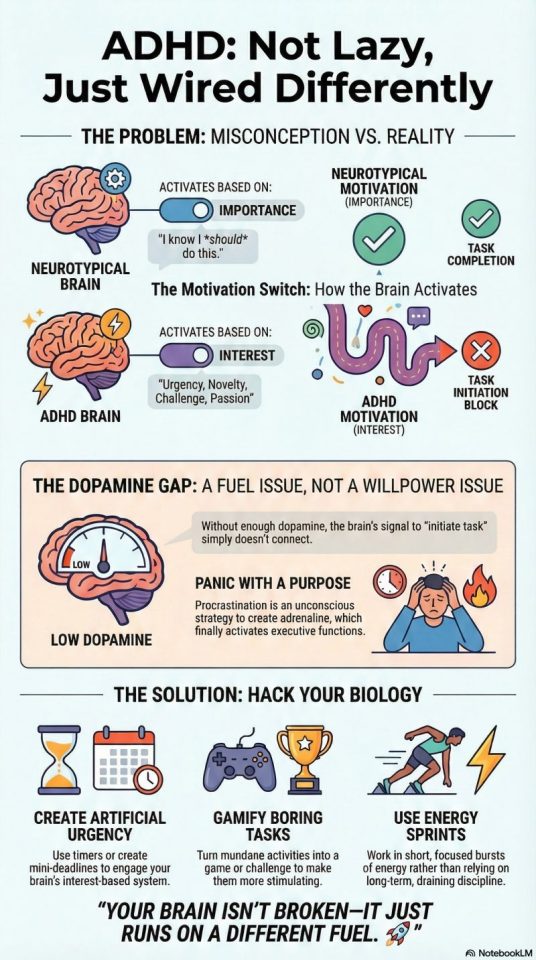
ADHD is associated with differences in attention, motivation, reward processing, and the regulation of stimulating activities.
Some people may find novelty, anticipation, sexual stimulation, pornography, or new sexual interactions especially engaging because these experiences provide strong and immediate reward.
This may help explain why some individuals repeatedly return to sexual behaviors when they are bored, understimulated, restless, or emotionally depleted.
Treatment may therefore need to address not only sexual behavior itself, but also boredom, stimulation needs, routine, sleep, executive functioning, and alternative sources of healthy reward.
Emotional Regulation
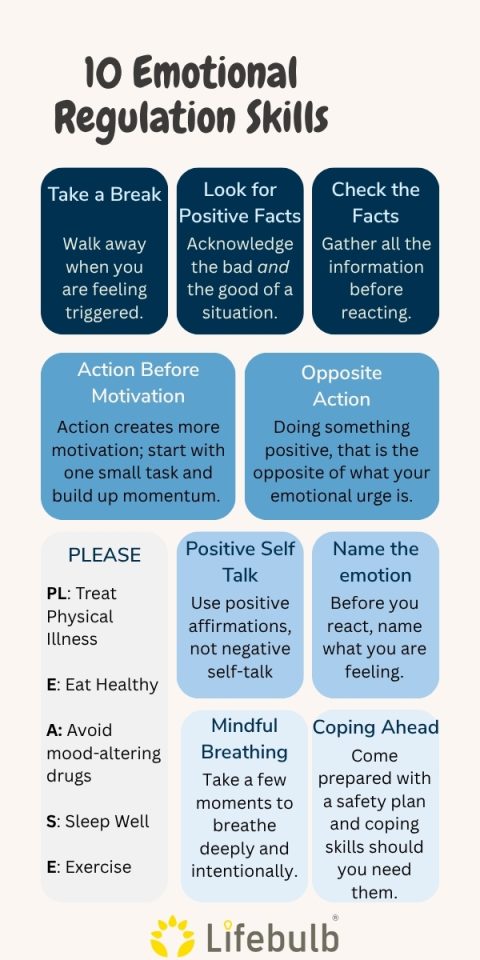
Some neurodivergent individuals experience emotions with significant intensity or have difficulty identifying, tolerating, or regulating emotional states.
Sexual behavior may sometimes be used to manage:
- Stress
- Anxiety
- Loneliness
- Rejection
- Shame
- Anger
- Sadness
- Boredom
- Emotional overwhelm
- Feelings of inadequacy
When sexual behavior becomes a primary strategy for changing or escaping uncomfortable internal states, it can become difficult to interrupt.
Treatment may benefit from building additional emotional-regulation skills rather than focusing exclusively on stopping the sexual behavior.
Repetitive, Ritualized, or Compulsive Patterns
Repetitive behaviors can play an important regulatory role for some neurodivergent individuals.
Sexual behaviors may also develop routines or rituals, such as engaging in pornography, masturbation, fantasy, messaging, or other activities at predictable times or in response to specific triggers.
It is important to distinguish between:
- Repetition that is pleasurable or regulating
- Autistic routines or restricted interests
- OCD-related compulsions
- Habitual coping behaviors
- Compulsive sexual behavior
These patterns may look similar from the outside but can have very different motivations and require different treatment approaches.
Executive Functioning
Executive-function differences may affect a person’s ability to organize behavior around long-term goals.
Challenges may include:
- Difficulty delaying gratification
- Poor time awareness
- Trouble transitioning away from stimulating activities
- Difficulty maintaining routines
- Forgetting previously established boundaries
- Difficulty connecting immediate behavior with future consequences
- Becoming absorbed in online sexual content for longer than intended
Treatment that includes practical executive-function support may sometimes be more effective than relying on willpower alone.
Social Communication and Relationship Differences
Autistic and other neurodivergent individuals may communicate, interpret social cues, and experience relationships differently from neurotypical partners.
Difficulties may arise around:
- Initiating intimacy
- Interpreting romantic or sexual interest
- Expressing needs directly
- Understanding implicit expectations
- Reading body language
- Discussing consent or boundaries
- Recognizing changes in a partner’s emotional state
Relationship difficulties can sometimes result in loneliness, rejection, frustration, or feelings of inadequacy.
Some individuals may then turn toward pornography, fantasy, anonymous interactions, or other sexual outlets because those environments feel more predictable or less socially demanding.
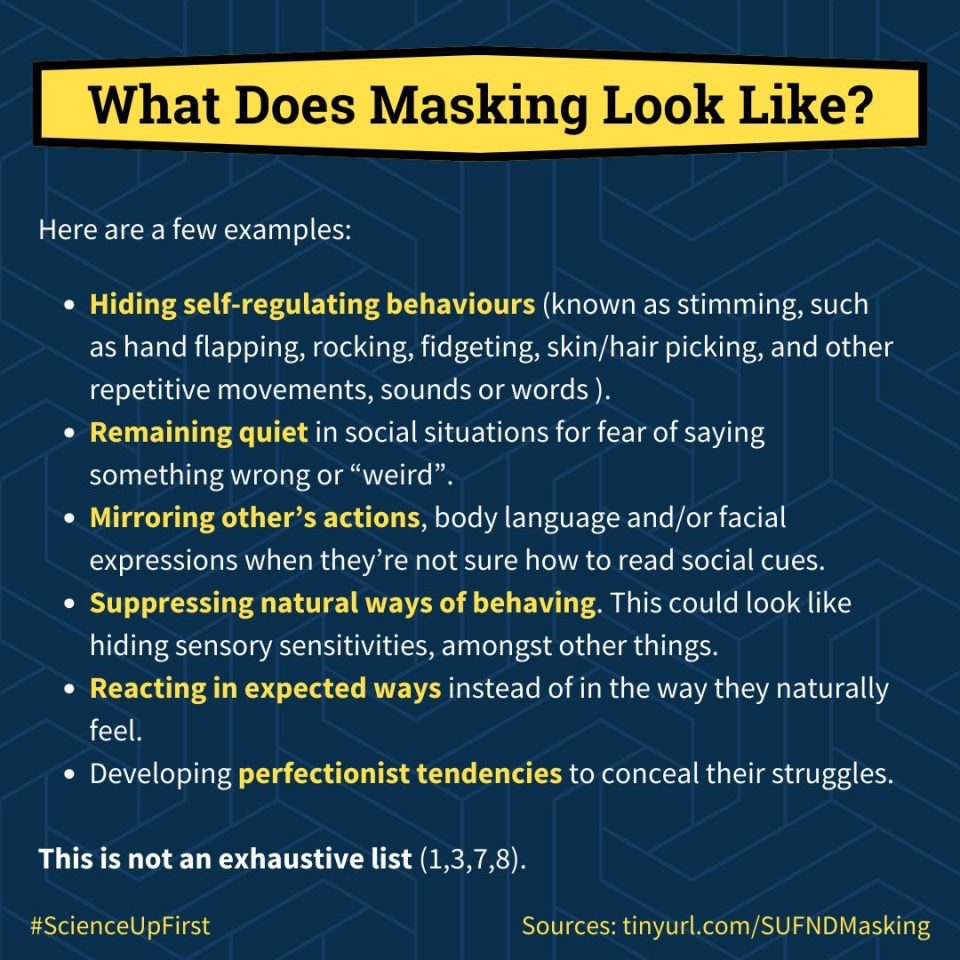
Masking and Identity
Many neurodivergent individuals learn to mask or suppress their natural behaviors in order to meet social expectations.
Long-term masking can contribute to exhaustion, anxiety, loss of identity, low self-esteem, and difficulty recognizing one’s authentic needs.
Sexuality can become another area where someone performs what they believe is expected rather than recognizing what they genuinely want, enjoy, or feel comfortable with.
Therapy may involve helping the person differentiate:
- Authentic desire
- Social expectations
- People-pleasing
- Masking
- Fear of rejection
- Compulsive behavior
Rejection Sensitivity and Validation Seeking
Some people with ADHD or other neurodivergent experiences report intense emotional reactions to rejection, criticism, or perceived abandonment.
Sexual attention may sometimes provide immediate reassurance, validation, or evidence of being wanted.
This can contribute to repeated pursuit of:
- Dating-app matches
- Sexting
- Affairs
- Pornography
- Anonymous encounters
- Online sexual attention
- Other sources of external validation
In these situations, addressing self-worth, attachment patterns, and rejection sensitivity may be an important part of treatment.
Trauma and Neurodivergence
Neurodivergent individuals may experience higher levels of bullying, social rejection, misunderstanding, exclusion, or relational trauma.
Some individuals also have histories of abuse or other adverse experiences.
Trauma can influence sexuality in many different ways. Sexual behavior may become connected to:
- Numbing
- Dissociation
- Control
- Validation
- Self-soothing
- Reenactment
- Avoidance of emotional intimacy
- Attempts to regulate the nervous system
A trauma-informed assessment should consider these factors without automatically assuming that sexual behavior is caused by trauma.
Interoception and Recognizing Internal States
Interoception is the ability to notice and interpret signals from within the body, such as hunger, tension, fatigue, anxiety, arousal, or emotional distress.
Some neurodivergent individuals experience differences in interoception.
A person may have difficulty recognizing whether they are feeling:
- Sexually aroused
- Lonely
- Anxious
- Bored
- Dysregulated
- Overstimulated
- Understimulated
- Emotionally disconnected
This can make it harder to identify what need is actually driving an urge.
Building greater awareness of internal states can help individuals make more intentional choices.
Sexuality, Special Interests, and Shame
Sexuality itself may become an area of intense curiosity or special interest for some neurodivergent people.
An intense interest in sexuality does not automatically indicate pathology.
Problems can arise when healthy sexual curiosity becomes confused with addiction because of:
- Cultural expectations
- Religious beliefs
- Shame
- A partner’s discomfort
- Differences in libido
- Misunderstanding of neurodivergent interests
Assessment should distinguish between consensual sexual expression and behavior that is genuinely unwanted, uncontrolled, harmful, or inconsistent with the person’s own values.
Medication and Sexual Functioning
Medication can also influence sexual behavior and sexual functioning.
Some medications used for ADHD, depression, anxiety, or other psychiatric conditions may affect:
- Libido
- Arousal
- Orgasm
- Impulsivity
- Motivation
- Sleep
- Emotional regulation
Changes in sexual behavior should therefore be considered within the person’s broader medical and psychiatric treatment.
Medication concerns should be discussed with the prescribing clinician rather than adjusted independently.
Intimacy and Sexual Behavior Are Not the Same Thing
For some individuals struggling with compulsive sexual behavior, sexual activity may increase while genuine emotional intimacy decreases.
A person may use sexual stimulation while simultaneously finding vulnerability, communication, closeness, or emotional dependence difficult.
Treatment can therefore include developing skills related to:
- Emotional intimacy
- Vulnerability
- Communication
- Consent
- Boundaries
- Attachment
- Mutuality
- Repair after conflict
The goal is not simply to reduce sexual behavior, but to help the person build healthier and more intentional relationships with sexuality and intimacy.
Neurodiversity-Affirming Treatment
Treatment for neurodivergent individuals should avoid assuming that neurotypical behavior is the goal.
A neurodiversity-affirming approach may incorporate:
- ADHD-informed treatment
- Autism-informed therapy
- Executive-function support
- Sensory accommodations
- Trauma-informed care
- IFS or parts-based approaches
- Somatic regulation
- Sex therapy
- Couples therapy
- Attachment work
- Medication management when appropriate
- Psychoeducation for partners and families
Treatment should focus on behaviors that are genuinely causing distress, impairment, harm, or loss of control rather than attempting to eliminate harmless neurodivergent traits.
A Note on Sex Addiction and Compulsive Sexual Behavior
The terms sex addiction, sexual addiction, problematic sexual behavior, and compulsive sexual behavior are sometimes used differently by clinicians and treatment programs.
A high sex drive, frequent masturbation, pornography use, unconventional sexual interests, or neurodivergent sexual expression does not by itself indicate addiction.
More clinically meaningful questions include:
- Does the person repeatedly feel unable to control the behavior?
- Is the behavior causing significant distress or impairment?
- Does it continue despite serious negative consequences?
- Is the person repeatedly acting against their own values or commitments?
- Has sexual behavior become a primary method of regulating emotions or escaping distress?
- Does the person want to change the behavior but repeatedly find themselves unable to do so?
Assessment should consider the whole person rather than relying solely on the frequency or type of sexual behavior.
Individual Differences Matter
Not all neurodivergent individuals experience problematic or compulsive sexual behavior, and neurodivergence should never be treated as an explanation for sexual misconduct or a reason to disregard consent, boundaries, or accountability.
At the same time, understanding how sensory processing, executive functioning, impulsivity, trauma, emotional regulation, communication, masking, attachment, and reward processing interact can help clinicians provide more accurate and individualized care.
A comprehensive, neurodiversity-affirming approach can help individuals understand the function of their behavior, reduce shame, increase self-awareness, develop healthier regulation strategies, strengthen relationships, and build a sexual life that is consistent with their values and needs.
Featured Video: Porn, Autism, and ADHD: Embracing Neurodiversity
Porn, Autism, and ADHD: Embracing Neurodiversity (with Candice Christiansen)
In this episode of the Husband Material podcast, host Drew Boa speaks with Candice Christiansen about the intersection of ADHD, autism, neurodivergence, intimacy, and unwanted sexual behavior.
The conversation explores how neurodivergent traits and experiences may influence sexuality and the ways individuals seek connection, stimulation, comfort, or emotional regulation. Rather than approaching neurodivergence as something that needs to be corrected, the discussion emphasizes understanding a person’s neurological differences and considering how those differences may affect relationships, intimacy, sexual behavior, and recovery.
Candice Christiansen brings both professional and lived experience to the conversation. She identifies as autistic and ADHD and works with neurodivergent adults and same- or mixed-neurotype couples around sex, intimacy, relationships, trauma, and recovery. Her clinical work also incorporates approaches such as EMDR and Internal Family Systems (IFS).
Neurodivergence, Pornography, and Unwanted Sexual Behavior
The episode raises an important question: How might ADHD, autism, and other neurodivergent experiences interact with unwanted or compulsive sexual behavior?
For some individuals, pornography or other sexual behaviors may become connected with:
- Seeking stimulation or novelty
- Emotional regulation
- Sensory regulation
- Coping with loneliness or isolation
- Managing stress or overwhelm
- Escaping uncomfortable emotions
- Rejection sensitivity
- Hyperfocus or intense interests
- Difficulty shifting attention away from highly stimulating activities
- Seeking predictable forms of sexual stimulation or connection
These factors do not mean that autism or ADHD causes pornography use or compulsive sexual behavior. Rather, understanding a person’s neurological profile can provide additional context for why certain behaviors may become especially reinforcing or difficult to change.
Connection and Recovery
For neurodivergent adults working through problematic pornography use or unwanted sexual behavior, recovery can involve more than simply eliminating a behavior.
It may also involve developing:
- Greater self-understanding
- Healthier emotional regulation
- More satisfying relationships
- Greater comfort communicating sexual needs
- Increased awareness of sensory preferences
- Stronger boundaries
- Improved executive-function strategies
- Alternative sources of stimulation and reward
- Greater emotional and physical intimacy
- More authentic connection with partners and community
Connection can become an important part of this process.
When individuals feel understood rather than judged, they may be better able to explore what their behaviors mean, identify unmet needs, and build healthier ways of connecting with themselves and others.
Many neurodivergent adults find joy and fulfillment in connection, contact, and communication. Despite facing unique challenges in navigating social interactions, they often form deep and meaningful relationships that bring them comfort and support.
Whether through shared interests, mutual understanding, or supportive communities, neurodivergent adults cherish the connections they build with others. These relationships provide opportunities for growth, empathy, and companionship, highlighting the diverse ways in which individuals experience and appreciate human connection.
Other Resources
Websites
-
-
Neuro-Inclusive IFS – developed by Candice Christiansen and Meg Martinez-Detamanti
-
The Articulate Autistic — Jaime A. Heidel
-
ADHD Girls — Samantha Hiew, Ph.D.
-
Autistamatic — Quinn Dexter
-
Theara — Online training, courses, and coaching for neurodivergence developed by Renee Rosales
-
Neurodiverging — Build a life that works with your brain. Support, structure, and community for neurodivergent adults who are ready to move forward.
-
She Rocks the Spectrum — Learning Center: Browse resources by topic or search the learning center. Worksheets and free courses are provided through its parent site, New Path Family Learning Center.
-
Therapist Neurodiversity Collective — Resources and information related to neurodiversity-affirming therapy and support.
-
Social Workers Toolbox — Worksheets, tools, activities, and other resources for social work and therapeutic support.
-
Books
- Divergent Mind: Thriving in a World That Wasn’t Designed for You
- NeuroTribes: The Legacy of Autism and the Future of Neurodiversity
- Altogether Us: Integrating the IFS Model with Key Modalities, Communities, and Trends
- Dyslexia and Me: How to Survive and Thrive If You’re Neurodivergent
- Neuroqueer: The Writings of Nick Walker
- Camouflage: The Hidden Lives of Autistic Women
- Obsessive, Intrusive, Magical Thinking
- We’re Not Broken: Changing the Autism Conversation
- Thinking in Pictures: And Other Reports from My Life with Autism
- Fall Down 7 Times, Get Up 8: A Young Man’s Voice from the Silence of Autism
- How the Mind Changed: A Human History of Our Evolving Brain
- May Tomorrow Be Awake: On Poetry, Autism, and Our Neurodiverse Future
- Normal Sucks: How to Live, Learn, and Thrive Outside the Lines
- Stumbling Through Space and Time: Living Life with Dyspraxia
- Look Me in the Eye: My Life with Asperger’s
- A Thousand Ways to Pay Attention: A Memoir of Coming Home to My Neurodivergent Mind
- We’re Not Broken: Changing the Autism Conversation
- Is This Autism?
- Unmasking Autism: Discovering the New Faces of Neurodiversity
- Order from Chaos: The Everyday Grind of Staying Organized with Adult ADHD
- ADHD 2.0: New Science and Essential Strategies for Thriving with Distraction—From Childhood Through Adulthood
- Self-Care for People with ADHD: 100+ Ways to Recharge, De-Stress, and Prioritize You!
- Driven to Distraction: Recognizing and Coping with Attention Deficit Disorder
- Differently Wired
- Different Not Less
- Connections of Compliance: Rewiring Our Perceptions of Discipline
- Wonderfully Wired Brains
- Women and Girls on the Autism Spectrum: Understanding Life Experiences from Early Childhood to Old Age
- Spectrum Women: Walking to the Beat of Autism
- Autism in Adults
- What I Mean When I Say I’m Autistic: Unpuzzling a Life on the Autism Spectrum
- But You Don’t Look Autistic at All
- Letters to My Weird Sisters: On Autism and Feminism
- Odd Girl Out: An Autistic Woman in a Neurotypical World
- I Think I Might Be Autistic: A Guide to Autism Spectrum Disorder Diagnosis and Self-Discovery for Adults
- Knowing Why: Adult-Diagnosed Autistic People on Life and Autism
- The Autistic Brain: Thinking Across the Spectrum
- Dirty Laundry: Why Adults with ADHD Are So Ashamed and What We Can Do to Help
- ADHD: An A–Z
- Taking Charge of Adult ADHD
- Your Brain’s Not Broken: Strategies for Navigating Your Emotions and Life with ADHD
- A Radical Guide for Women with ADHD: Embrace Neurodiversity, Live Boldly, and Break Through Barriers
- Women with Attention Deficit Disorder
- Burnout: The Secret to Unlocking the Stress Cycle
- The Perfectionist’s Guide to Losing Control
- Self-Reg: How to Help Your Child (and You) Break the Stress Cycle and Successfully Engage with Life
- The Neurodiversity Edge
- The Neurodivergent Friendly Workbook of DBT Skills
Podcasts
- Fabulously Candice – “Fabulously Candice” is the sexiest podcast about Neurodivergence! Candice is an Autistic, ADHD woman, licensed clinician, and relationship/intimacy expert with a passion for discussing love, sex, intimacy and more among neurodivergent adults. Get ready to feel fabulous as you listen to the Fabulously Candice podcast.
- Sex 101 Podcast – Navigating Intimacy & Sex with Neurodivergence – Are you neurodivergent and struggling to navigate sexuality and intimacy? Or perhaps you have a neurodivergent child or friend and want some additional support? Or maybe you simply are interested in autism? Today’s episode is literally for everyone….the gems shared today will help ALL couples better navigate sex and sexuality! Join Dr. Stormy and Autism and Intimacy Expert Candice Christiansen and her husband Board Certified Holistic Health Practitioner Chris Kishiyama as we talk about neurodivergence, sex and intimacy! During their 10 years together, they have had a lot of wild adventures, including Candice being diagnosed as autistic nearly 4 years ago as an adult woman. Candice’s diagnosis was a game-changer in their relationship, particularly as it relates to how they communicate and their sexual intimacy.
- Sex Help with Carol the Coach Podcast with Guest Dr. Candice Christiansen, founder and clinical director for the Namaste Center for Healing. – Carol the Coach will be interviewing expert Candice Christiansen who will help us understand how people on the Autism Spectrum may suffer with intimacy disorders and self-stimulation issues leading to problematic sexual behavior.
- Sex, Love, Addiction Podcast with Dr. Robert Weiss and Guest Dr. Candice Christiansen, founder and clinical director for the Namaste Center for Healing. – She and Rob discuss some of the co-occurring diagnoses that sometimes underlie addiction, and the fact that it’s not unusual for people with sexual problems to also have an emotional and mental disorder. They give a few examples of these conditions, define some characteristics of people on the spectrum, and talk about the importance of getting a professional evaluation to make sure one is getting the proper treatment.
- The Neurodiversity Podcast – The Neurodiversity Podcast talks with leaders in the fields of psychology, education, and beyond, about positively impacting neurodivergent people. Our goal is to reframe differences that were once considered disabilities or disorders, promote awareness of this unique population, and improve the lives of neurodivergent and high-ability people.
- Beyond Six Seconds Podcast – First impressions can take only 6 seconds to make! But if you’re neurodivergent, those quick judgments about you can be misleading. That’s where the Beyond 6 Seconds podcast comes in! Join me, Carolyn Kiel, as I talk with neurodivergent entrepreneurs, creators, advocates & more about their lives and identities. Their stories shatter misconceptions, break stigma and showcase the vibrance of neurodiversity. https://www.beyond6seconds.com/
- Differently Brained Podcast – Differently Brained is an own voices podcast where each fortnight we interview a guest to have open and honest conversations about their experiences We champion neurodivergent and mental health awareness and acceptance by encouraging people tell their own stories to champion the different ways we all exist in the world. We’re here to break down those stigmas and misconceptions around neurodivergence and mental health, and normalise these conversations in our community.
- Neurodivergent Moments Podcast – Ever walk into a room and immediately forget why you’re there? Or get confused when someone is surprised you’ve taken what they said literally? Comedians, Abigoliah Schamaun and Joe Wells do, and so do their guests, and these Neurodivergent Moments shine a light into the world of our diverse minds. Each episode, ADHD Abigoliah and Autistic Joe, speak to a guest with a neurodivergence about their divergence, life, career and how they navigate the neurotypical society we live in. Lighthearted, sincere and insightful, Neurodivegent Moments is a journey into the diverse world of our differently wired brains and the people who own them. ADHD, Autism, OCD, Dyslexia, Dyspraxia, Borderline Personality Disorder and more are all topics of conversation.
- YOUR Neurodiverse Relationship with Jodi Carlton — Focuses on autism, ADHD, communication differences, emotional processing, nervous-system differences, family dynamics, and relationships. This fits especially well with the relationship/intimacy side of your current list.
- Neurodiverse Love with Mona Kay, MSW, Ph.D. — A relationship-focused podcast about mixed-neurotype couples, including communication styles, processing differences, sensory needs, emotional needs, and sexual/physical intimacy. The show ran from 2021–2026 and has a large archive.
- The ADHD Channel for Women — Produced by Understood.org and specifically focused on women with ADHD. It includes discussions of relationships, sex, diagnosis, identity, everyday ADHD experiences, and broader neurodivergence.
- ADHD Women’s Wellbeing Podcast — Hosted by Kate Moryoussef. Covers late diagnosis, ADHD in women, hormones, relationships, anxiety, nervous-system regulation, sleep, motivation, and wellbeing.
- The Sensitive and Neurodivergent Podcast with Julie Bjelland, LMFT — Particularly relevant for late-identified autistic women. Topics include masking, autistic burnout, sensory differences, nervous-system regulation, emotional intensity, boundaries, relationships, and self-trust.
- Following the Threads: Adult Autism Support and Masking — A newer podcast specifically for late-diagnosed autistic adults and ADHD/AuDHD women. It covers adult diagnosis, unmasking, identity, relationships, work, parenting, and family life.
- Between Us | Neurodivergent Conversations: ADHD, Autism & AuDHD — Centers on women who discovered their neurodivergence later in life, with discussions of masking, burnout, motherhood, sensory overwhelm, identity, and life after diagnosis.
- Unmasked with Kedra Flowers — A personal/lived-experience podcast about late-diagnosed ADHD and autism, masking, identity, relationships, self-understanding, and reframing one’s earlier life through a neurodivergent lens.
PODCAST EPISODES
- Sex, Love, and Addiction with Dr. Rob Podcast – Season 1, Episode 60 – ADHD in Relationships and Addiction with Dr. Todd Love
- Overcoming Betrayal & Addiction with Dr. Rob and Tami Podcast – Recovery on the Spectrum
- Betrayal Recovery Radio: The Official Podcast of APSATS – Considering the Impact for Neurodiverse Couples with Autism and Asperger Traits | with Shawna Meek
- ADHD Her Way – Episode 74 – Neurodivergent Relationships, Sensory Needs & Sex with Hilary Lindberg — Discusses ADHD, autism, desire and arousal, sensory sensitivities, communication, nervous-system regulation, low desire, shame, masking, religious trauma, and rebuilding intimacy after betrayal or burnout.
- Adulting with Autism – Autism, ADHD & Intimacy: Somatic Sex Specialist Dr. Laura Jurgens on Desire, Consent, and the “Desire Gap” — Explores sensory overwhelm, ADHD and autistic traits in intimacy, responsive versus spontaneous desire, mismatched libido, consent, shame, nervous-system regulation, and body-based approaches to sexual connection.
- YOUR Neurodiverse Relationship with Jodi Carlton – “There Might Be Zero Sex” — The Truth About Intimacy in Neurodiverse Relationships — Discusses love versus sex, masking in the bedroom, asexuality, differing sexual needs, fawning, relationship structure, and creating intimacy that works for both partners rather than following conventional expectations.
- NeuroDiverse Christian Couples – Love, Sex & Autism with Guest Candice Christiansen — Focuses on autism, ADHD, sexual desire, hypersexuality, low libido, sensory sensitivities, trauma, shame, communication differences, emotional safety, and reducing pressure and obligation around intimacy.
- WTF is AuDHD? – Episode 72 – Masking in the Bedroom — Examines masking during sex and intimacy, people-pleasing, sensory experiences, consent, sexual expectations, difficulty identifying one’s own needs, and the difference between genuine desire and feeling that you “should” want something.
- The Neurodivergent Connection / The Curious Storyteller – From Awkward Talks to Real Closeness in Neurodiverse Relationships — Discusses neurodiverse intimacy, sex, consent, masking, burnout, sensory sensitivities, mixed communication styles, mismatched desire, relationship repair, and practical ways partners can communicate about intimacy.
- The Open Bedroom Podcast – Episode 211 – How to Thrive in Neurodiverse Relationships with Seb & Dr. Alison Ash — Covers autism and ADHD in relationships, executive-function stress, communication, masking, sensory needs, emotional connection, and sexual intimacy between neurodivergent and neurotypical partners.
- YOUR Neurodiverse Relationship with Jodi Carlton – Is It Autism or Incompatibility? What Neurodiverse Couples Need to Know — Explores how couples can distinguish neurodivergent differences from relationship incompatibility, including conflict styles, burnout, changing relationship demands, and the limitations of therapy that is not neurodiversity-informed.
- Even The Dog Has ADHD – Sex, ADHD & Autism: Why Intimacy Breaks Down — A discussion of sex, communication, sensory processing, medication, libido, emotional regulation, and how different nervous systems can create misunderstandings around physical and emotional intimacy.
- ADHD Chatter – How to Spot Autism in High-Masking Autistic Women — Focuses on autism in high-masking women, social performance, people-pleasing, romantic relationships, autistic burnout, ADHD masking autism, and how masking may even affect the assessment process.
Neuropsych Testing / ADHD Assessment/ Psychiatry
How Neuropsychological Testing, ADHD Assessment, and Psychiatry Can Support Neurodiversity
Neurodiversity is a concept that recognizes and respects neurological differences in individuals. It suggests that differences such as autism, ADHD, dyslexia, Tourette syndrome, dyspraxia, and other neurological variations are part of the natural diversity of the human brain rather than simply deficits or problems that need to be “fixed.”
A neurodiversity-affirming approach does not mean ignoring challenges. Many neurodivergent people experience difficulties with attention, executive functioning, sensory processing, communication, emotional regulation, learning, organization, relationships, work, school, or daily living. The goal of assessment and treatment is to better understand how a person’s brain works, identify areas where support may be helpful, and develop strategies and accommodations that allow the individual to function more comfortably and authentically.
Neuropsychological Testing
Neuropsychological testing provides a detailed picture of how a person processes information and functions cognitively. Depending on the evaluation, testing may examine areas such as:
- Attention and concentration
- Executive functioning
- Working memory
- Processing speed
- Learning and memory
- Language
- Visual-spatial abilities
- Problem-solving
- Academic skills
- Social and emotional functioning
- Sensory and behavioral patterns
A comprehensive neuropsychological evaluation may help identify or clarify conditions such as ADHD, autism, dyslexia and other learning differences, cognitive processing differences, and co-occurring mental health concerns.
Testing can also help explain why someone may perform very well in certain areas while struggling significantly in others. For many adults, particularly those who have spent years masking or compensating for their differences, an evaluation can provide language and context for lifelong experiences that previously felt confusing or unexplained.
ADHD Assessment
ADHD can present very differently from person to person. Some individuals experience obvious hyperactivity or impulsivity, while others primarily struggle with attention, organization, time management, task initiation, working memory, emotional regulation, or chronic overwhelm.
ADHD can also be overlooked in women, adults, high-achieving individuals, and people who have developed strong coping or masking strategies.
A thorough ADHD assessment can help distinguish ADHD from other conditions that may cause similar symptoms, including anxiety, depression, trauma, sleep problems, learning differences, autism, or other psychiatric or medical concerns.
An assessment may also identify co-occurring conditions and provide recommendations for treatment, accommodations, executive-function supports, therapy, coaching, and medication when appropriate.
Psychiatry
Psychiatric care can be an important part of supporting neurodivergent individuals, particularly when ADHD, anxiety, depression, trauma, mood disorders, sleep difficulties, or other mental health concerns are also present.
A psychiatrist or psychiatric nurse practitioner can provide diagnostic evaluation, medication management, and ongoing monitoring of symptoms and treatment response.
For individuals with ADHD, psychiatric treatment may include discussion of stimulant and non-stimulant medications. For autistic or otherwise neurodivergent individuals, psychiatric care may focus on treating co-occurring concerns such as anxiety, depression, obsessive-compulsive symptoms, sleep problems, or emotional dysregulation rather than attempting to change the person’s neurodivergent identity.
Neurodiversity-affirming psychiatric care should consider the whole person, including sensory needs, communication preferences, executive-function challenges, trauma history, medication sensitivity, and individual goals.
Why Assessment Can Be Helpful
Receiving an accurate diagnosis or a better understanding of one’s neurocognitive profile can be meaningful for many people. It may help an individual:
- Better understand their strengths and challenges
- Identify ADHD, autism, learning differences, or other neurodevelopmental conditions
- Understand overlapping or co-occurring diagnoses
- Access appropriate treatment and medication when desired
- Obtain school, college, or workplace accommodations
- Develop strategies for executive functioning and organization
- Better understand sensory and communication needs
- Reduce shame and self-blame surrounding lifelong difficulties
- Improve communication in relationships
- Find therapy, coaching, occupational therapy, or other supports that are better matched to their needs
- Develop a more accurate and compassionate understanding of themselves
Assessment Is Not About Changing Who You Are
A neurodiversity-affirming evaluation should not be focused on making a neurodivergent person appear more “normal.” Instead, the purpose is to understand the individual’s unique neurological profile and identify what environments, accommodations, strategies, treatments, and supports may help them thrive.
For some people, receiving a diagnosis can provide clarity and validation. For others, testing may help identify practical supports without changing how they choose to identify themselves.
The most helpful care is collaborative and individualized. Neurodivergent people should be active participants in decisions about assessment, diagnosis, treatment, medication, accommodations, and support.
Finding the Right Provider
When seeking neuropsychological testing, ADHD assessment, or psychiatric care, consider looking for providers who have experience working with neurodivergent individuals and who understand presentations that may be less obvious or historically underrecognized.
This may include experience with:
- Adult ADHD
- Adult autism
- AuDHD, or co-occurring autism and ADHD
- Women and girls with ADHD or autism
- High-masking or late-diagnosed individuals
- LGBTQ+ neurodivergent individuals
- Learning differences such as dyslexia or dyspraxia
- Sensory-processing differences
- Trauma and neurodivergence
- Executive-function difficulties
- Neurodiversity-affirming assessment and treatment
The goal is not simply to receive a label. The goal is to gain a clearer understanding of how a person experiences the world and to connect them with supports that respect both their challenges and their strengths.
Neuropsych Testing
- David Farnsworth, PsyD
Address: 12 Essex Street, Andover, Massachusetts 01810, United States
Website: https://davidfarnsworthpsyd.com/contact-us
Email: davidfarnsworthpsyd@gmail.com
Licensed in: Massachusetts
- Newton Neuropsychology Group – Neuropsychological Testing Practice (ADHD Testing)
Phone: 617-564-1540
Website: https://www.newtonneuro.com/
Offering: ADHD Testing, Neuropsychological Testing
State: Massachusetts
- Jason Allen – Neuropsychologist – Newton Neuropsychology Group
Phone: 617-564-1540
Website: https://www.newtonneuro.com/
Offering: ADHD Testing, Neuropsychological Testing
Licensed in: Massachusetts
- Dr. Hallowell – The Hallowell ADHD Centers (ADHD Testing)
Website: https://drhallowell.com/
Offering: ADHD Testing
State: Massachusetts
- New England Psychological Assessment Center
Address: 80 Flanders Rd #102, Westborough, MA 01581
Phone: 508-366-2466
Providers: Dr. Allan Rooney, Amanda Pope, PsyD
Licensed in: Massachusetts
- Center for Cognitive Testing – Virginie Patt, PhD
Phone: 617-993-4567
Email: info@c-ct.org
Address: 1172 Beacon Street, Suite 101, Newton, MA 02461
Website: https://c-ct.org/
Offering: Comprehensive neuropsychological evaluations for adults, including ADHD, autism, attention difficulties, memory concerns, and other cognitive concerns.
State: Massachusetts
- Endeavor Psychology – Neuropsychological Assessment
Website: https://www.endeavorpsychology.com/services/neuropsychological-assessment
Locations: Boston and Marblehead, Massachusetts
Offering: Neuropsychological evaluations for children, adolescents, and adults, including ADHD, autism, dyslexia, learning differences, and related conditions.
State: Massachusetts
- Meredith Cohen, PhD – Neuropsychological Evaluations
Phone: 781-519-4731
Address: 100 Cummings Center, Suite 335A, Beverly, MA 01915
Offering: Neuropsychological evaluations for ages 6+, with specialization in ADHD, autism, learning disorders, and neurodiverse presentations in girls and women. Also provides neurodivergent-affirming psychotherapy.
State: Massachusetts
- UMass Memorial Health – Neuropsychology
Website: https://www.ummhealth.org/services-treatments/behavioral-health/psychiatry/neuropsychology
Offering: Adult neuropsychological assessment for ADHD, autism, cognitive changes, traumatic brain injury, neurological conditions, memory concerns, and other cognitive difficulties.
State: Massachusetts
- Mass General Psychology Assessment Center
Phone: 617-643-3997
Address: One Bowdoin Square, 7th Floor, Boston, MA 02114
Offering: Psychological assessment for autism spectrum disorders, ADHD, learning disorders, anxiety, depression, and other psychiatric conditions.
State: Massachusetts
Neurodiversity
- Candice Christiansen, LCMHC – AuDHD Therapist | Intimacy Expert | Clinical Consultant | Expert Witness – Namaste Center for Healing
Website: https://www.namasteadvice.com/our-team
Licensed in: Utah
- Shawna Meek, Certified Coach, PCC, CPC-S – Living Stones Coaching – Neurodiverse Coaching
Phone: 1-480-256-2269
Email: hello@livingstonescoaching.com
Website: https://www.livingstonescoaching.com/
Offering: Neurodiverse coaching and relationship support.
- Neurodiverse Counseling, LLC
Phone: 857-371-5920
Location: Boston, Massachusetts – Fully Virtual
Offering: Neurodiversity-affirming therapy for ADHD and autism, including adult ADHD and autism evaluations, anxiety, burnout, executive-function challenges, trauma, relationships, and life transitions.
State: Massachusetts
- Diverge Counseling – Aiden Reis, LMHC, ATR
Website: https://www.divergecounseling.com/autism-adhd
Offering: Neurodivergent-affirming therapy for autistic, ADHD, and AuDHD adults and teens.
State: Massachusetts – Fully Online
- Merrimack River Wellness – Lisa Dube, LICSW, IFS Level 3
Phone: 978-518-3117
Website: https://www.merrimackriverwellness.com/assessment
Offering: Neurodiversity-affirming adult autism and ADHD therapeutic assessment, consultation, parent/family support, and IFS-informed services.
Licensed in: Massachusetts, Maine, Connecticut, Vermont, and New Hampshire
- Integrative Psychology, PC – ADHD & Neurodivergent Care
Phone: 339-707-5236
Email: info@integrativepsychology.com
Address: 5 Water Street, Suite 5B, Arlington, MA 02476
Website: https://integrativepsychology.com/adhd-and-neurodivergent-care
Offering: Neurodivergent-affirming therapy for ADHD and other neurodivergent traits, including executive-function challenges, burnout, task paralysis, emotional regulation, work stress, and relationship difficulties.
State: Massachusetts – In-Person and Telehealth
- The Ely Center, LLC
Phone: 781-400-2605
Email: office@elycenter.com
Address: 140 Gould Street, Suite 290, Needham, MA 02494
Website: https://elycenter.com/services/
Offering: Neurodiversity-affirming counseling, occupational therapy, speech-language therapy, educational psychology, executive-function support, parent coaching, and social-communication services.
- Inner Reach Therapeutics – Neuro-Affirming Occupational Therapy & Coaching
Website: https://innerreachtherapeutics.com/services
Offering: Neuro-affirming occupational therapy and coaching for autism, ADHD, AuDHD, sensory-processing differences, masking-related exhaustion, and executive-function needs.
OT Telehealth: Massachusetts, Connecticut, Vermont, and Maine
Coaching: Available throughout the United States
- Francesca Rinaldi, MS, BCBA, LABA – Adult Autism Support
Location: Sterling, Massachusetts – Telehealth
Offering: Neurodiversity-affirming support for autistic adults, including executive functioning, emotional regulation, autistic burnout, relationships, employment, independent living, and life transitions.
State: Massachusetts
- Elise Jacobson, LICSW – PDA & Neurodiversity-Affirming Therapy
Phone: 508-444-8739
Location: Acton, Massachusetts – Online
Offering: Neurodiversity-affirming therapy, consultation, and support with expertise in PDA, autism, ADHD, autistic processing styles, family dynamics, and parent/professional consultation.
State: Massachusetts
Psychiatry
- Empire Psychiatry
Phone: 516-548-6427
Website: https://empirecareclinic.com/
State: New York
- Psych Garden
Phone: 857-598-2808
Website: https://www.psychgarden.com/
Location: Cambridge, Massachusetts
Offering: Psychotherapy, psychopharmacology, addictions treatment, couples therapy, family coaching, psychedelic and ketamine-enhanced therapy, and expert consultation for complex cases.
State: Massachusetts
- Boston Psychiatric Care
Phone: 617-830-1644
Email: info@bostonpsychiatriccare.com
Website: https://bostonpsychiatriccare.com/
Address: 233 Needham Street, Suite 430, Newton Upper Falls, MA 02464
State: Massachusetts
- Empire State Psychiatry – Online Psychiatry Covered by Insurance
Phone: 646-661-5225
Text: 866-455-3996
Website: https://www.empirestatepsychiatry.com/
Address: 315 Madison Avenue, Suite 2000, New York, NY 10017
Offering: Telehealth, virtual visits, and telepsychiatry
State: New York
- The Sterling Institute for Neuropsychiatry and Behavioral Medicine – Online Psychiatry Covered by Insurance
Phone: 475-329-2686
Website: https://sterlinginstitute.org/
Offering: Psychiatry, psychotherapy, NeuroStar TMS, ketamine treatment, medication management, telehealth, and psychopharmacology.
State: New York
- Jovive Psychiatry – Online Psychiatry Covered by Insurance
Website: https://jovivepsychiatry.com/
Offering: Telepsychiatry
State(s): New York, California, Oregon
- Telapsychiatry – Massachusetts Telepsychiatry – Online Psychiatry Covered by Insurance
Phone: 888-903-5505
Address: 410 University Ave., Westwood, MA 02090
Website: https://telapsychiatry.com/telapsychiatry-massachusetts/
Offering: Medication management, psychotherapy, ADHD testing, genetic testing, TMS, virtual care, and remote monitoring.
State: Massachusetts
- Advanced Telehealth Psych, PLLC – Online Psychiatry Covered by Insurance
Phone: 888-344-3893
Website: https://advancedtelepsych.org/
Offering: Psychiatric care
State(s): Connecticut, Florida, and Massachusetts – Telehealth
- Sound Psychiatry and Wellness – Online Psychiatry Covered by Insurance
Website: https://www.soundpsychiatryandwellness.com/
Offering: Telepsychiatry and medication management
State(s): Colorado, Ohio, Florida, and Massachusetts – Telehealth
- Psychiatry Massachusetts – Online Psychiatry Covered by Insurance
Phone: 617-564-0654
Address: 68 Harrison Ave., Suite 605, Boston, MA 02111
Website: https://psychiatrymassachusetts.com/telepsychiatry-massachusetts/
Offering: Telepsychiatry
State: Massachusetts
- Safe Harbor Psychiatry – In-Office and Telehealth Psychiatry
Phone: 978-518-2880
Address: 1112 Parker Street, Newburyport, MA 01950
Website: https://www.safeharborpsych.com/
Offering: Psychiatric evaluations, assessments, diagnoses, medication management, behavioral therapy, ongoing mental-health monitoring, and pharmacogenetic testing.
State: Massachusetts – In-Person and Telepsychiatry
- Talkiatry – Online Psychiatry Covered by Insurance
Phone: 833-351-TALK (8255)
Email: hello@talkiatry.com
Website: https://www.talkiatry.com/
Offering: Telepsychiatry and psychiatric care
State(s): Multiple states; select location on website
- Brave Health – Online Psychiatry Covered by Insurance
Phone: 305-902-6347
Website: https://bebravehealth.com/
Offering: Telepsychiatry and medication management
Insurance: Advertises acceptance of many Medicaid, Medicare, Marketplace, and commercial insurance plans.
State(s): Multiple states
- Valentine Psychiatry – Online Psychiatry Covered by Insurance
Phone: 212-655-1345
Website: https://valentinepsychiatry.com/
Offering: Telepsychiatry, in-depth psychiatric evaluations, integrated therapy and medication, and family/support sessions.
State(s): New York, Pennsylvania, Massachusetts – Telehealth
- Mindset Psychology – Online Psychiatry Covered by Insurance
Phone: 516-324-8115
Email: staff@mindspsychology.com
Website: https://www.mindspsychology.com/
Offering: Telepsychiatry, medication management, and psychological assessments.
State(s): New York, Texas, Virginia, Delaware, Colorado, Wisconsin, Arizona – Telehealth
- Rittenhouse Psychiatric Associates – Online Psychiatry Covered by Insurance
Website: https://rittenhousepa.com/
Offering: Telehealth evaluations, psychiatry, and medication management
State(s): Pennsylvania, New Jersey, New York, Delaware, California, Maryland, Massachusetts, and additional states
- NeuroPsych Wellness Center, P.C. – Online Psychiatry Covered by Insurance
Phone: 703-687-0262
Website: https://neuropsych4u.com/
Offering: Telepsychiatry, medication management, TMS, ketamine therapy, psychological and neuropsychological testing, perinatal psychiatric services, pharmacogenetic testing, and pre-surgical psychological evaluations.
State(s): Multiple states
- MD Psychiatry Clinic – Gregory Labun, MD
Phone: 781-650-8509
Location: Boston, Massachusetts – In-Person and Telepsychiatry
Offering: Adult ADHD, anxiety, depression, psychiatric evaluation, medication management, diagnostic cognitive assessment, and therapeutic support.
State: Massachusetts
- Massachusetts General Hospital – Adult ADHD Program / Psychiatry
Location: Boston, Massachusetts
Offering: Adult ADHD assessment and treatment, including evaluation of co-occurring psychiatric conditions.
State: Massachusetts
- LifeStance Health – Massachusetts Psychiatry
Website: https://lifestance.com/
Offering: In-person and online psychiatry and medication management, including care for ADHD, anxiety, trauma, autism, mood disorders, and related conditions.
State: Massachusetts
- Thriveworks – Massachusetts Online Psychiatry
Phone: 617-397-3951
Website: https://thriveworks.com/psychiatry/us/ma/boston/
Offering: Online psychiatry and medication management, including treatment for ADHD, anxiety, depression, mood disorders, and related conditions.
State: Massachusetts
- Grow Therapy – Massachusetts Psychiatry & Medication Management
Website: https://growtherapy.com/
Offering: Telehealth psychiatric care with Massachusetts-licensed psychiatric nurse practitioners, including ADHD, autism, anxiety, depression, PTSD, OCD, mood disorders, and medication management.
State: Massachusetts
- Shohana Paradise, PMHNP – Psychiatric Evaluation & ADHD Testing
Location: Marblehead, Massachusetts – In-Person and Telehealth
Offering: Psychiatric evaluations, medication management, ADHD, anxiety, depression, bipolar disorder, PTSD, OCD, computerized ADHD testing, and pharmacogenetic testing.
State: Massachusetts
- Sherrie Sharp, MD – LifeStance Health
Location: Milford, Massachusetts – In-Person and Online
Offering: Psychiatry, medication management, ADHD, anxiety, trauma-related conditions, and other mental-health concerns.
State: Massachusetts
- Liudmila Cardoso, PMHNP – Thriveworks
Offering: Online psychiatric medication management for adults, including ADHD, anxiety, depression, bipolar disorder, mood disorders, impulse-control concerns, and dual diagnosis.
State: Massachusetts – Online